Share
ShareHow to Choose the Right Butterfly Valve for Your Pipeline System?
10-10-2025
Selecting the correct butterfly valve for your pipeline isn’t just about size — it’s about efficiency, safety, and long-term performance. With so many types available, like gas butterfly valves, electric ventilation butterfly valves, and acid/alkali resistant butterfly valves, it can feel a bit overwhelming, right? Don’t worry — here’s a simple guide that helps you choose the perfect one for your application.
1. Understand Your Medium: What Are You Controlling?
The first question you should ask yourself is: What kind of fluid will pass through the valve?
Different mediums require different valve materials:
-
Gas pipelines → use Gas Butterfly Valves for tight sealing and leak prevention.
-
Water, steam, or oil systems → choose Water/Steam/Oil Butterfly Valves with durable rubber or metal seals.
-
Corrosive fluids like acids or alkalis → go for Acid/Alkali Butterfly Valves with PTFE or stainless steel materials.
-
Low-temperature environments → rely on Cryogenic Butterfly Valves that maintain flexibility under extreme cold.
Each valve is designed for specific working conditions — choosing the wrong one may cause early failure or leakage.
2. Consider Pressure and Temperature
Every valve has limits. Before buying, check the maximum pressure rating (PN) and temperature range of your system.
For example:
-
If you’re dealing with high-pressure pipelines, a double-offset or triple-offset butterfly valve works best.
-
If the system operates under normal pressure and temperature, a rubber-lined butterfly valve is more economical.
So yeah, don’t just pick based on looks — the technical specs matter big time.
3. Decide on the Actuation Method
Butterfly valves can be operated in different ways:
-
Manual Handle – For small and low-pressure systems.
-
Electric Actuator – Great for remote or automated control (common in ventilation and HVAC).
-
Hydraulic or Pneumatic Actuator – For heavy-duty or fast-response systems.
If your system requires frequent operation, Electric Ventilation Butterfly Valves or Hydraulic Check Valves may be your best bet.
4. Check the Installation Space
One of the biggest advantages of butterfly valves is their compact design. But remember to check:
-
Enough clearance for the handle or actuator.
-
Correct flange standards (ANSI, DIN, JIS).
-
Ease of maintenance and replacement.
Choosing a valve that matches your installation setup can save both time and money in the long run.
5. Always Work with a Reliable Manufacturer
Finally — and this is a big one — partner with a professional valve manufacturer.
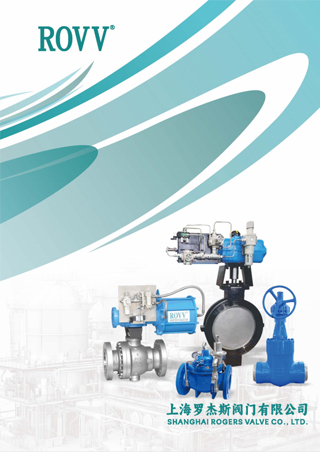
Shanghai Rogers Valve Co., Ltd. has decades of experience producing all kinds of industrial valves, including Gas Butterfly Valves, Water/Steam/Oil Butterfly Valves, Acid/Alkali Butterfly Valves, Electric Ventilation Butterfly Valves, Cryogenic Butterfly Valves, and Hydraulic Check Valves.
We combine precision engineering, strict quality control, and global project experience to deliver valves that perform reliably even in the harshest conditions.
Choosing the right butterfly valve isn’t complicated — it’s all about matching the valve type to your working medium, pressure, and control needs. Once you understand these basics, you’ll realize it’s not rocket science — just smart selection!